Neurosurgery is an extremely specialized branch that deals with the treatment of the brain, spine and the nervous system; vital in the treatment of traumatic injuries, tumors, and neurological disorders. In India, there are just 4,500 certified neurosurgeons to provide support to a population of more than 1.5 billion, which results in huge differences in care accessibility.
This scarcity is very severe in the rural regions and that is why there is a necessity of having professionals who can bridge the gap and be innovative in the profession.
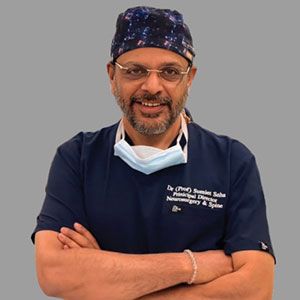
One such figure is Prof (Dr) Sumiet Snha, a distinguished neurosurgeon with over two and a half decades of experience. His career started at the All India Institute of Medical Sciences (AIIMS), New Delhi where he graduated with MCh in neurosurgery.
His education provided a basis to a career that focused on advancing minimally invasive techniques in the field of neurosurgery, specifically in the field of spine surgery. Dr Sumiet’s global recognition stems from his work in pushing the boundaries of modern neurosurgical practices.
Over the years, he has developed extensive experience in treating complex neurological conditions involving the brain, spine, and peripheral nerves. His work includes managing cases such as brain tumors, spinal disorders, traumatic brain injuries, nerve compression and nerve injuries.
Through careful surgical planning and the use of modern techniques, he has helped many patients recover mobility, relieve long-term pain, and regain independence after serious neurological problems. His clinical work has also earned respect among fellow neurosurgeons who look to his experience when exploring newer surgical approaches.
Transforming Patient Care Through Innovation
Dr Sumiet is a pioneer in the field of minimally invasive neurosurgery, a technique that involves small incisions. It is also referred to as “keyhole surgery” which dramatically shortens the recovery period and complications. His experience in endoscopic neurosurgery, the process of carrying out brain operations endoscopically through the nasal passages, has created new standards in terms of patient care. Such techniques lead to quicker recovery rates, fewer scars and lesser pains after surgery.
Furthermore, he has consistently focused on improving surgical outcomes by reducing the physical burden of surgery on patients. His approach emphasizes precision, minimal disruption to surrounding tissues, and faster rehabilitation. Many patients treated under his care are able to experience shorter hospital stays and quicker recovery periods compared to traditional surgical approaches. This focus on patient recovery has been one of the key factors shaping his surgical philosophy.
Dr Sumiet says, “I firmly believe in minimally invasive neuro-surgery, which provides sub-millimeter precision during surgery. This plays a pivotal role in brain surgery where even a minor mistake can be disastrous.”
With advanced technological skills, he performs surgeries with unmatched accuracy, enhancing outcomes and patient safety. Looking forward, he feels that AI will continue to improve surgical operations, assisting surgeons in their complex cases.
While he strongly supports the use of advanced technology, he also emphasizes that surgical judgment and training remain essential. He believes technology should assist surgeons rather than replace their expertise. According to him, a strong understanding of anatomy, careful decision-making, and disciplined surgical practice are what ultimately ensure patient safety and successful outcomes.
To add further, his impact extends beyond the operating room. Being a professor at AIIMS, New Delhi, he trained some of the best neurosurgeons in India. His effort to create a cadaver training center in 2014 at AIIMS has been very educative to the residents and surgeons across the country.
This distinct resource with the assistance of the Indian Council of Medical Research has continued to be a backbone of neurosurgical training in India.
During his academic career, he mentored many neurosurgery residents and young surgeons who now practice across India. His teaching focuses on hands-on learning, strong anatomical knowledge, and responsible surgical decision-making. By encouraging young doctors to develop both technical skill and patient empathy, he continues to influence the next generation of neurosurgeons.
In addition to his clinical and educational contributions, Dr Sumiet holds leadership roles in several national and international neurosurgical organizations. He founded the Indian Society of Peripheral Nerve Surgery; he is the President of the National Neurotrauma Society of India and also of the Indian Society of Peripheral Nerve Surgery, where he has helped shape guidelines that influ ence neurosurgical practice across the country.
Adding further, he is secretary of the Neuroendoscopic Society of India which is a society of minimally invasive neurosurgeons and skull base surgeons; and also a member of World Federation of Neurosurgical Committees (Peripheral Nerve Section).
Telemedicine and Affordable Solutions Throughout his career, Dr Sumiet has addressed the significant challenge of the shortage of neurosurgeons in rural areas. To bridge this gap, he actively advocates for tele neurosurgery, a model where patients in remote regions can consult specialists through high-speed internet. This approach allows for timely assessments, primary surveys, and follow-ups, ensuring that expert care is not limited by geography.
He emphasizes that healthcare access should not depend on where a patient lives. By enabling digital communication between doctors and patients, he encourages systems where people from smaller towns and villages can seek expert advice without traveling long distances or waiting weeks for an appointment. This model not only improves treatment outcomes but also eases the emotional and logistical burden on patients and their families.
Managing Patient Expectations Is Key In Neurosurgery, Especially In Cases Involving Paralysis, Blindness, Or Other Severe Conditions. My Goal Has Always Been To Offer Hope, Improvement, And A Better Quality Of Life, Even In The Most Challenging Cases
Another key challenge in neurosurgery is the high cost of advanced surgical technology, which can make specialized care inaccessible across many settings. Dr Sumiet supports public-private partnerships and initiatives like Make in India, which aim to make medical technology more affordable and reduce dependence on expensive imported equipment. Through these efforts, he works toward a healthcare ecosystem where innovation is available to a larger population, not just a select few.
For Dr. Sumiet, the true reward lies in the life-changing impact on patients. A memorable case involved a young woman who had lost her vision due to a brain tumor. After performing an endoscopic procedure to remove the tumor, she restored her sight, transforming her life and the lives of her loved ones.
Experiences like these reinforce his belief that neurosurgery is more than treating conditions; it’s about helping patients regain independence, restore lost abilities, and return to their daily lives.
Dr Sumiet also focuses on patient guidance and expectation management, especially in cases involving paralysis, blindness, or severe neurological deficits. He believes that clear communication, empathy, and honest discussion of outcomes are essential.
His goal has always been to offer hope and improvement, even in the most challenging situations. By combining technology, experience, and patient-centered care, he demonstrates that specialized medical treatment can be both accessible and life-changing.
A Vision for the Future
Looking ahead, Dr Sumiet envisions a future where robotic surgery and AI will continue to revolutionize neurosurgery, offering even greater precision and faster recovery times for patients. These technologies will make complex surgeries as routine and safe as other medical procedures. In the next 5-10 years, he believes these advancements will redefine patient care, making neurosurgery even safer, more effective, and widely accessible.
Dr Sumiet’s commitment to neurosurgery and his continuous drive to innovate have not only shaped his own career but have also played a pivotal role in the evolution of the field in India. His work ensures that the future of neurosurgery will be marked by improved outcomes, reduced risks, and a broader reach, giving more people the chance to heal and recover.
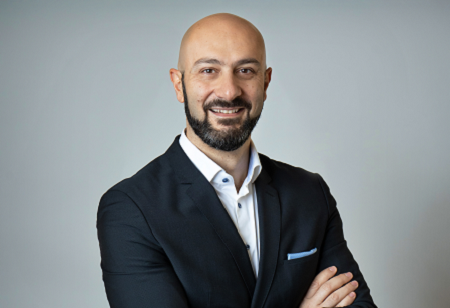
Prof (Dr) Sumiet Snha, Minimally Invasive & Endoscopic Neurosurgeon, Max Super Speciality Hospital
Prof (Dr) Sumiet Snha is a leading neurosurgeon with over 25 years of experience in minimally invasive and endoscopic brain and spine surgery. Trained at AIIMS, New Delhi, he has pioneered keyhole and endoscopic techniques, and embraces robotic-assisted surgery for precision outcomes. A mentor, researcher, and advocate for tele neurosurgery, he combines innovation and empathy to improve patient care, making complex procedures safer, accessible, and life-changing.
We use cookies to ensure you get the best experience on our website. Read more...

.jpg "Technology in Cancer Care: A story of evolving paradigms")
.jpg "Bringing Shop Floor to Manufacturer's palm: Smart Factory Solutions for tomorrow")